There Are Lumps & Bumps on My Dog’s Skin (Vet Answer): When to Worry

In this article
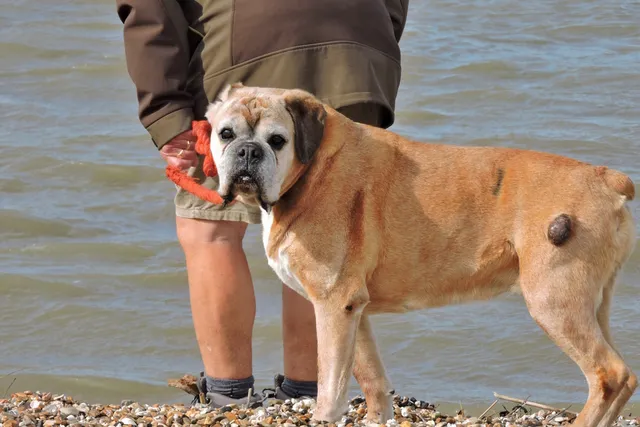
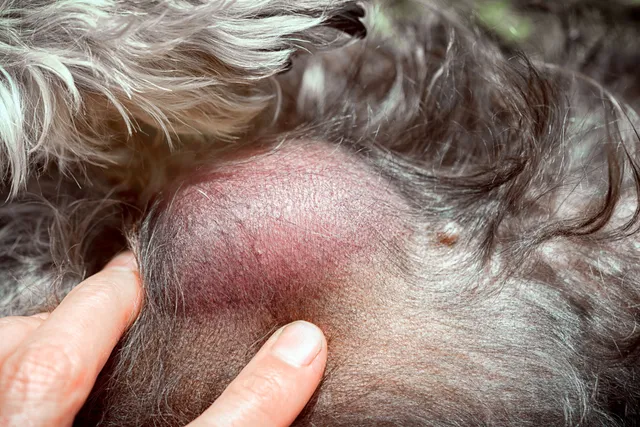
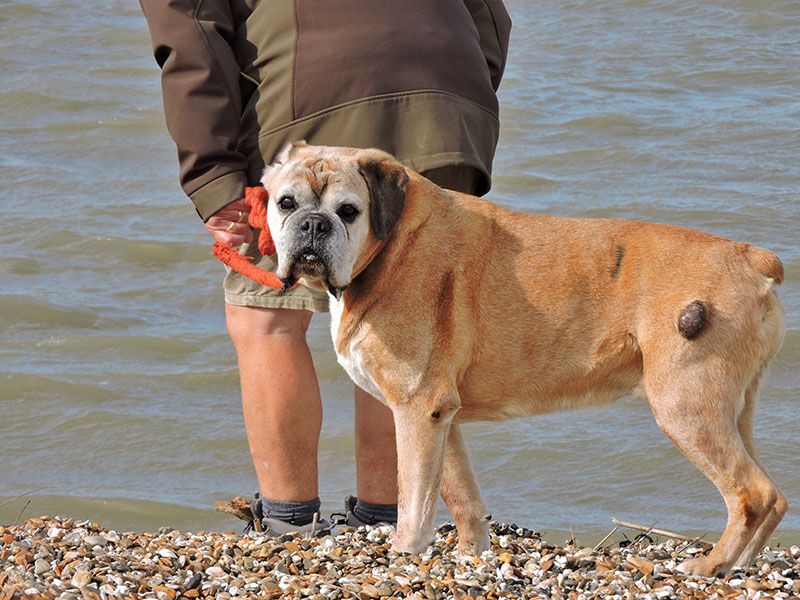
Dog owners often report to their vet that they have noticed a bump or lump on their four-legged friend. This can occur for various reasons and tumors can be benign (non-cancerous) or cancerous. Lumps and bumps can originate from different tissues or cell types; however, their appearance might be very similar. They can occur in dogs of any age, but most types of cancer can appear in older pets.
The most common causes of bumps and lumps on your dog's skin are skin tumors, such as lipomas and mast cell tumors, cysts, insect bites, abscesses, or acne. Clinical signs can differ depending on the cause but can include itching and scratching, limping, hair loss, or secondary skin infections.
Take your dog to the vet if they have bumps or lumps on their body to prevent them from aggravating their condition, diagnose the cause, and get proper treatment.

What Are Lumps and Bumps on Dogs’ Skin?
Generally speaking, lumps and bumps can be skin inflammations or growths. Dogs of any age can develop large or small bumps and lumps, but they are slightly more common in older dogs.
Any lumps and bumps that you notice on your dog's skin should be checked by your vet as soon as possible.
What Are the Causes of Lumps and Bumps on Dogs’ Skin?
Lumps and bumps on dogs’ skin can be of these types:
Cancerous (malignant tumors)
Non-cancerous (benign tumors)
Other types of lumps and bumps

1. Cancerous Bumps and Lumps
Malignant skin tumors can look very similar to benign ones, so you should always double-check with your vet if you notice one on your dog. They can develop at any age, and some of the most common ones are:
- Mast cell tumor
- Cutaneous hemangiosarcoma
- Squamous cell carcinoma
- Malignant melanoma
Cancerous skin masses can be of different sizes, colors, or shapes. They are generally mobile and can be painless and benign-looking or cause bleeding at the site, pain, loss of appetite, and weight loss. Depending on where they appear, they can cause lameness (if they appear on the legs), excessive licking, oral problems (when they appear in the mouth), etc.
Cancer in general is a dangerous medical condition because if it is not detected and treated in time, cancerous cells can migrate from the primary tumor to other organs and tissues, developing distant metastases. Dogs can die from metastases.
For this reason, it is important to take your dog to the veterinarian when you notice a lump or bump on their body. The sooner the diagnosis is made, the better your dog's chances of survival (if it actually is cancer).
If you are far from a vet clinic and need urgent vet advice and guidance on the best course of action you can chat with a vet online.
Cutaneous Hemangiosarcoma
This skin tumor can also appear in dogs younger than 3 years old, but it is most often found in middle-aged and old dogs. The breeds most prone to cutaneous hemangiosarcoma are¹:
- Labrador Retriever
- Golden Retriever
- German Shepherd
Also, males are more prone to developing cutaneous hemangiosarcoma than females. Solar radiation has been found to influence the development of this type of tumor, and most lumps appear in hairless areas, such as the abdomen, the prepuce, and the groin.
Dogs suffering from cutaneous hemangiosarcoma can develop small, red bumps on their body. Over time, the bumps can ulcerate and cause bleeding.
Mast Cell Tumor
This type of tumor is one of the most common skin cancers in dogs. It can affect dogs of any age, but it is more commonly diagnosed in dogs between 7.5 and 9 years of age. The breeds most prone to it are:
- Boxer
- Golden Retriever
- Labrador Retriever
- Staffordshire Bull Terrier
- Jack Russell Terrier
- French Bulldog
- Dachshund
- Shar-Pei
Most mast cell tumors can be cured by surgery, but some may spread to the lymph nodes, liver, spleen, and/or bone marrow, causing distant metastasis.
Dogs with mast cell tumors will present one or multiple lumps or bumps in the skin that can be red and itchy, and sometimes, they will show systemic signs, such as vomiting, diarrhea, lethargy, and low appetite.

Squamous Cell Carcinoma
This type of skin cancer occurs more frequently, but not always, in dogs with light-colored hair or skin or in hairless or sparsely-haired areas of the body, such as:
- Nose
- Ears
- Abdomen
- Nail bed
The most prone breeds are:
- Dalmatian
- Bull Terrier
- Beagle

Dogs with squamous cell carcinoma have white, red, or skin-colored bumps or lumps on their skin. If left untreated, this type of cancer can ulcerate and cause bleeding. Although it has an aggressive evolution, squamous cell carcinoma metastasizes slowly.
Malignant Melanoma
This type of skin cancer is aggressive and metastasizes quickly. Although it can occur in any dog breed, certain ones are more prone:
- Airedale Terrier
- Boston Terrier
- Boxer
- Labrador Retriever
- Golden Retriever
- Cocker Spaniel
- Poodle
- Scottish Terrier
- Miniature Schnauzer
- Doberman Pinscher
They can appear anywhere on the dog's body, especially in hairless areas. They are most often found on the lips, in the mouth, and on the nail bed.
Dogs with malignant melanoma present dark-pigmented bumps on the skin, though these can be other colors too.
2. Non-Cancerous Lumps and Bumps
Benign tumors do not invade the surrounding tissues and do not affect other organs. They usually appear as raised areas under the skin or as pink or black bumps or lumps on any area of the body, especially in older dogs. The most common benign tumors in dogs are:
2. Benign Bumps and Lumps
Benign lumps and bumps should not cause concern to dog owners because they do not invade and affect the surrounding tissues. Also, they do not spread to other organs and tissues, as is the case with certain forms of skin cancer.

- Lipoma
- Histiocytoma
- Hemangioma
- Melanocytoma
Non-cancerous lumps and bumps can be any of the following.
3. Other Types of Lumps and Bumps
Non-tumorous lumps and bumps can appear anywhere in your dog’s body, but they should not cause too much concern to dog owners because they do not invade and affect the surrounding tissues. Also, they do not spread to other organs and tissues, as is the case with certain forms of skin cancer.
Non-tumorous lumps and bumps can be any of the following.
1. Otohematomas

A hematoma is an accumulation of blood outside a vessel—it is like a pouch filled with blood. It is formed most often due to an injury or trauma. An injury can lead to the rupture of the walls of the blood vessels, and the blood reaches the surrounding tissues.
It can occur anywhere on the body, but it may go unnoticed unless it is found at the level of the ear (otohematoma). Dogs that scratch their ears heavily or shake their heads are at higher risk of developing these lumps. Since the ear area is not very elastic, the hematoma causes significant tension between the two sides of the ear flap.
An othematoma can appear as a small mass initially until the ear swells entirely. It can be painful and prompt veterinary intervention is needed, but thankfully, it is not life-threatening.
2. Sebaceous Cysts
Sebaceous cysts are membranous pockets or sacs that contain a thick, oily substance called sebum. They can develop almost anywhere on the body and appear as small white bumps on dogs' skin.
Do not try to pop a sebaceous cyst because there is a risk of contaminating it with external bacteria and becoming infected. Veterinarians usually recommend leaving them alone because in most cases, they resolve on their own. But if they grow, you should take your dog to the vet.
3. Enlarged Lymph Nodes
These can appear as bumps of various sizes under the skin when they become reactive. Causes of enlarged lymph nodes include:
- Local infections
- Cancer
- Certain diseases (e.g., tick-borne diseases and parasitic diseases)
It is recommended to take your dog to the vet for an examination if you notice that your pet's lymph nodes are enlarged.
4. Acne

Acne is a medical condition in which the hair follicles become irritated and inflamed. It manifests as white or black pimple-like bumps on the lips and the skin of the muzzle. Other clinical signs include lesions, local pain, inflammation, and secondary infections.
The appearance of acne in dogs depends on several factors:
- Improper hygiene
- Breed (short-haired breeds at puberty are most prone)
- Skin trauma (frequent rubbing of the face against carpet or other surfaces or rough play)
- Itching from a skin allergy
5. Insect Bites
Insect bites cause swelling and local allergic reactions that are manifested by the appearance of small bumps or lumps on the surface of the skin. They are red, painful, or itchy. The most common insect bites are from mosquitoes, bees, wasps, ants, or spiders (although technically, spiders are not insects but arthropods).
If your dog scratches the area intensely and often, they risk developing secondary skin infections, which may require antibiotic treatment.
Conclusion
Bumps and lumps on dogs’ skin are common and can be represented by benign or cancerous tumors, insect bites, acne, sebaceous cysts, enlarged lymph nodes, or hematomas. They occur at any age and can develop on the surface of the skin or below the skin.
Benign and malignant lumps can look very similar, so you should contact your veterinarian when you notice one on your dog's body.
Related Read:
Soft Tissue Sarcoma in Dogs: Treatment, Causes & Prevention (Vet Answer)
Why Do Dogs Develop Lumps After Subcutaneous Injections? Our Vet Answers
Are All Tumors Cancerous in Dogs? Our Vet Explains the Differences
Featured Image Credit: KingTa, Shutterstock
Expert dog care, straight to your inbox
News, insights, expert advice, and everything dog.

No spam — unsubscribe anytime.
By signing up, you agree to our Terms & Conditions and Privacy & Cookies Policy.
How useful was this post?
Click a star to rate. You can leave written feedback afterwards. (We read all feedback.)
Dr. Marta Vidal-Abarca BVSc GPCert (Ophthal) MRCVS (Veterinarian)
Dr. Marta has over 16 years of veterinary experience, working across the UK and Spain as a remote veterinary consultant and in the clinic. She graduated from Cardenal Herrera-CEU University in Valencia, Spain. She holds two Ophthalmology Certificates, GPCert Ophthal from ESVPS and UAB. She has wide experience in small animal internal medicine and surgery with a soft spot for dogs. Marta is a member of the Royal College of Veterinary Surgeons, and her main fields of interest are ophthalmology and critical care medicine. Dr. Marta loves being able to share the most helpful information with pet parents across the world as one of Pangolia's in-house veterinarians. She wants to provide details that can help in all aspects of pets' lives with their beloved ones. She loves knowing that she can support our readers and communicate about any medical topic that might be relevant to their pet's health and well-being.